

The construction industry offers a compelling opportunity to turn your vision into reality, crafting structures that will stand the test of time. But, like any worthwhile endeavor, starting a construction company requires careful planning and strategic execution. It involves fundamental elements like conducting market research, crafting a solid business plan, and securing permits, as well as innovative ways to foster a thriving company culture through wellness programs.

Guest Post by Kyle Ross
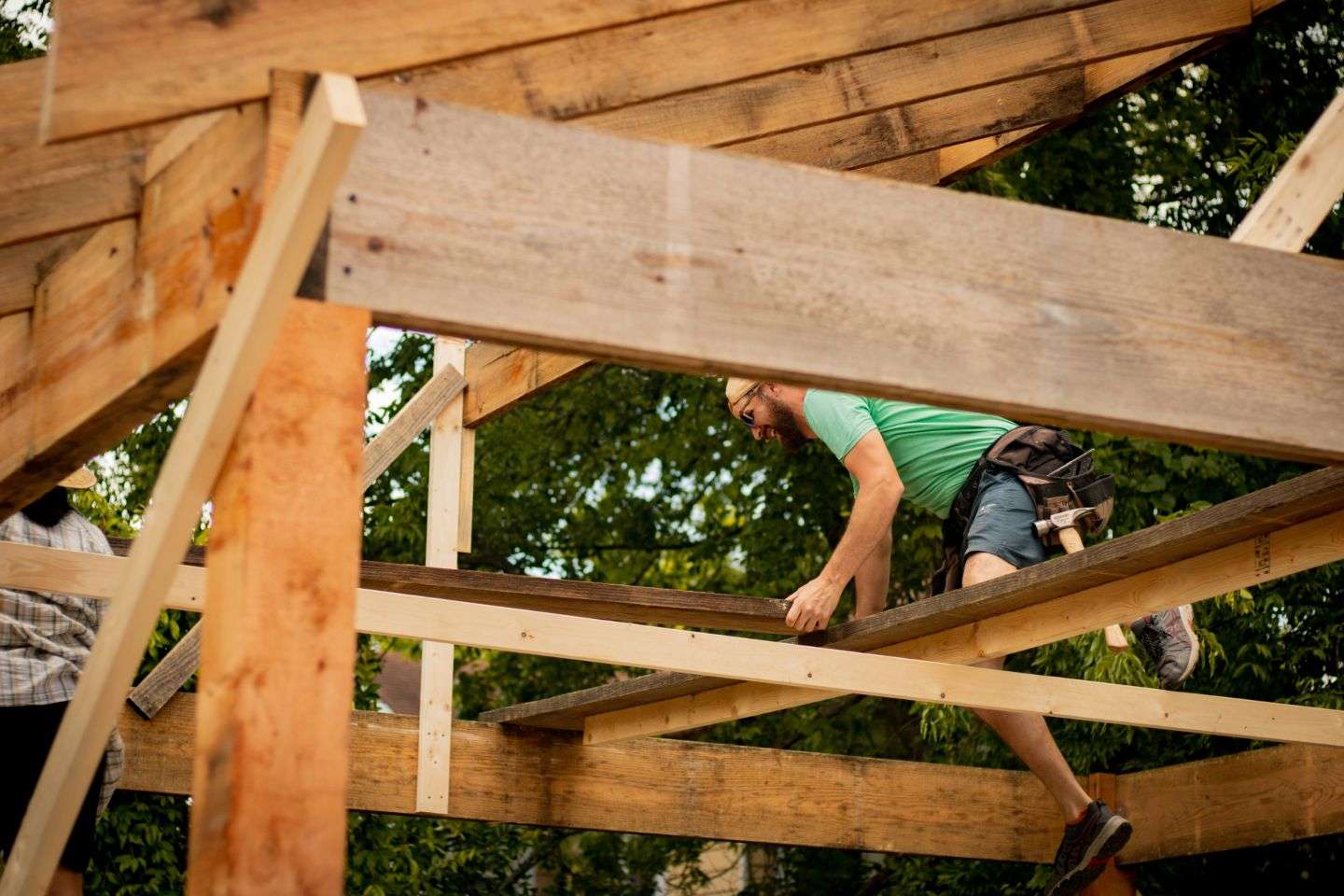
This comprehensive guide will equip you with the knowledge and strategies to excel in this dynamic field
We’ll delve into the ten essential steps to starting a construction company, offering practical advice and detailed insights to help you launch and grow your business.
Step 1
Conduct Market Research
Identifying your niche
Identifying your niche is a crucial first step when establishing a construction company. The construction industry is vast, encompassing residential, commercial, industrial, and specialized sectors such as green building or renovations. Narrowing down your focus allows you to tailor your services to meet specific market demands, enhancing your company’s chances of success.
Start by conducting thorough market research to understand the demand within various sectors. Look into current trends, future growth projections, and potential competition in each area. For instance, if residential construction is booming in your region, that could be a viable niche. Conversely, if there is a growing emphasis on sustainability, specializing in green building could set you apart.
Consider your own expertise and interests as well. If you have extensive experience in commercial projects, leveraging that knowledge can give you a competitive edge. Additionally, analyze your target clientele and their specific needs. For example, luxury home buyers may seek custom residential construction, while businesses might need quick, efficient commercial build-outs.
Once you’ve identified a niche, you can tailor your marketing, services, and operational strategies to align with it. This focus not only helps in establishing your brand but also in building a reputation as a specialist, which can attract more clients and drive business growth.
Identifying target market
Identifying your niche is a crucial first step when establishing a construction company. The construction industry is vast, encompassing residential, commercial, industrial, and specialized sectors such as green building or renovations. Narrowing down your focus allows you to tailor your services to meet specific market demands, enhancing your company’s chances of success.
Start by conducting thorough market research to understand the demand within various sectors. Look into current trends, future growth projections, and potential competition in each area. For instance, if residential construction is booming in your region, that could be a viable niche. Conversely, if there is a growing emphasis on sustainability, specializing in green building could set you apart.
Consider your own expertise and interests as well. If you have extensive experience in commercial projects, leveraging that knowledge can give you a competitive edge. Additionally, analyze your target clientele and their specific needs. For example, luxury home buyers may seek custom residential construction, while businesses might need quick, efficient commercial build-outs.
Once you’ve identified a niche, you can tailor your marketing, services, and operational strategies to align with it. This focus not only helps in establishing your brand but also in building a reputation as a specialist, which can attract more clients and drive business growth.
Analyze competitors
Understanding your competitors is essential to identify gaps in the market and potential opportunities. Analyze the strengths and weaknesses of existing construction companies in your area. What services do they offer? What do their clients say about them?
By conducting a thorough competitor analysis, you can find ways to differentiate your business and offer unique value to your clients.
Understand market trends
Staying updated with the latest market trends is vital for long-term success. The construction industry is continuously evolving, with new technologies, materials, and techniques emerging regularly. For example, green building practices and sustainable construction are becoming increasingly popular. By incorporating these trends into your business plan, you can attract environmentally conscious clients and stay ahead of the competition.
Detailed Market Analysis
When establishing a construction company, a detailed market analysis is crucial for understanding the landscape and positioning your business for success. Here’s a step-by-step guide to conducting a comprehensive market analysis:
Market Research
- Identify Your Niche: Begin by defining the specific sector of construction you wish to target. This could include residential housing, commercial buildings, industrial projects, or specialized areas like sustainable construction or renovation services.
- Market Characteristics: Study the key characteristics of your chosen niche. Understand the types of projects prevalent, the typical project size, the customer base, and the seasonal trends affecting demand.
- Market Size and Growth: Estimate the current market size and growth rate. This involves collecting data from industry reports, government publications, and trade associations. Analyze trends to forecast future demand.
- Market Share: Identify the leading competitors and their market share. Understand their strengths, weaknesses, market positioning, and the services they offer. This helps in determining your competitive edge.
- Pricing Strategies: Examine the pricing models used within your niche. Assess the average project costs, pricing strategies of competitors, and customer price sensitivity. This will inform your pricing structure to remain competitive while ensuring profitability.
- Gross Margin Targets: Define your gross margin targets by analyzing industry benchmarks. This includes understanding direct and indirect costs, setting realistic profit margins, and identifying cost-saving opportunities without compromising quality.
SWOT Analysis
Conducting a SWOT analysis helps in strategic planning by identifying:
- Strengths: Identify your company’s strengths, such as expertise, innovative technology, skilled workforce, and financial stability.
- Weaknesses: Acknowledge areas where your company might be at a disadvantage, like limited brand recognition, higher costs, or a smaller workforce.
- Opportunities: Look for market opportunities, such as underserved markets, new construction technologies, or favorable regulatory changes.
- Threats: Recognize external threats like economic downturns, increased competition, or regulation changes.
By thoroughly understanding these aspects, you can create a robust business plan, identify unique selling propositions, and develop strategies for effectively navigating the competitive construction industry.
Choosing the Right Business Entity
When establishing a construction company, choosing the right business entity is a crucial step that can significantly impact your taxes, liability, and investment opportunities. Here’s a breakdown of the common business structures and their implications to help you make an informed decision.
Sole Proprietorship
Pros: This is the simplest form of business entity, requiring minimal paperwork and setup costs. You have complete control over the business decisions and profits.
Cons: As a sole proprietor, you are liable for all business debts and obligations. This can be risky in the construction industry, where liabilities can be high.
Taxes: Income is taxed as personal income, which simplifies the tax process but might result in higher overall taxes compared to corporate tax rates.
Limited Liability Company (LLC)
Pros: An LLC offers limited liability protection, protecting your personal assets from business debts and claims. It also provides flexibility in management and profit distribution.
Cons: Setting up an LLC is more complex and costly than a sole proprietorship. Additionally, regulations and fees vary by state.
Taxes: LLCs offer flexibility in taxation. You can be taxed as a sole proprietor, partnership, S Corporation, or C Corporation. This flexibility can lead to tax savings.
S Corporation (S Corp)
Pros: S Corps offer limited liability protection and the benefit of pass-through taxation, meaning income is reported on your tax return, avoiding double taxation.
Cons: There are restrictions on the number and type of shareholders, which can limit investment opportunities. Additionally, S Corps require more extensive record-keeping and regulatory compliance.
Taxes: Income is taxed at the shareholder level, which can result in significant tax savings.
C Corporation (C Corp)
Pros: C Corps provide the strongest liability protection and have no restrictions on the number of shareholders, making it easier to raise capital through the sale of stock.
Cons: They are subject to double taxation—profits are taxed at the corporate level and again as shareholder dividends. C Corps also involve more regulatory requirements and higher administrative costs.
Taxes: Income is taxed separately from the owners, potentially at a lower corporate tax rate, but profits distributed as dividends are taxed again at the individual level.
Making Your Decision
When choosing a business structure for your construction company, consider the trade-offs between liability protection, tax implications, and the ease of raising capital. An LLC often provides a good balance of liability protection and tax flexibility, making it a popular choice for construction companies.
However, if raising significant capital is a priority, a C Corp might be more advantageous despite the double taxation. Always consult a legal or financial advisor to tailor your decision to your business needs and goals.
Step 2
Develop a Business Plan
Executive Summary
The executive summary is a brief overview of your business idea and goals. It should encapsulate what your construction company will do, who it will serve, and how it will succeed. This section is critical for capturing the interest of potential investors and partners.
Company Description
Provide a detailed description of your construction company, including its mission statement, the services you plan to offer, and the market needs you intend to meet. This section should give readers a clear understanding of your business’s purpose and vision.
Market Analysis
Use the insights gained from your market research to present a comprehensive market analysis. Include data on your target market, competitor analysis, and market trends. This section should demonstrate a demand for your services and that you have a strategy to meet this demand.
Organization and Management
Describe the legal structure of your business, whether it’s a sole proprietorship, partnership, LLC, or corporation. Outline the roles and responsibilities of your management team and key personnel. Highlight their experience and how their skills will contribute to the company’s success.
Services or Products Line
Detail the construction services your company will offer. This might include general contracting, project management, design-build services, renovations, and more. Be specific about what sets your services apart from the competition.
Marketing and Sales Strategy
Explain how you plan to attract and retain clients. This might involve digital marketing, traditional advertising, networking, and referrals. Describe your sales process, from lead generation to closing deals, and how you will maintain customer relationships.
Financial Projections
Provide detailed financial projections, including revenue, expenses, and profit forecasts for the next three to five years. Include balance sheets, income statements, and cash flow statements. This section should demonstrate the financial viability of your business.
Funding Strategies for Establishing a Construction Company
Starting a construction company requires substantial capital for equipment, materials, labor, and initial operating expenses. To secure the necessary funding, it’s crucial to explore various financing options and prepare a compelling financial plan to attract investors and lenders.
SBA Loans
Small Business Administration (SBA) loans are a popular choice for construction startups due to their favorable terms and government backing. The SBA 7(a) loan program offers up to $5 million, which can be used for working capital, equipment purchases, and real estate. These loans have competitive interest rates and extended repayment terms, making them an attractive option.
Microloans
Microloans are smaller loans, typically under $50,000, provided by nonprofit organizations and community lenders. They are ideal for new construction companies needing minimal startup capital. Microloans can cover expenses like equipment, supplies, and working capital. They often have less stringent credit requirements compared to traditional loans.
Venture Capital
For construction companies with innovative technologies or unique business models, venture capital (VC) can be a viable funding source. VCs provide substantial capital in exchange for equity in the company. While this means giving up some ownership, it also brings valuable expertise and connections from investors.
Other Funding Sources
- Bank Loans: Traditional bank loans are another option, though they typically require a strong credit history and collateral.
- Crowdfunding: Platforms like Kickstarter or GoFundMe can raise funds from a large number of small investors.
- Angel Investors: Wealthy individuals who invest in early-stage companies, often providing mentorship alongside capital.
Preparing a Solid Financial Plan
To attract investors and lenders, it’s crucial to prepare a detailed financial plan. Include projected income statements, cash flow forecasts, and balance sheets. Highlight your business model, market analysis, and growth strategy. Clearly articulate how the funds will be used and demonstrate a thorough understanding of the construction industry. Providing evidence of a strong management team and a clear path to profitability will enhance your credibility and appeal to potential funders.
By leveraging these funding strategies and preparing a robust financial plan, you can secure the necessary capital to successfully launch and grow your construction company.
Starting a construction company requires strong financial planning and oversight, and having a virtual CFO, even on a part-time basis, can be invaluable. A CFO provides strategic financial guidance, helping to manage budgets, track cash flow, and make informed decisions about funding and investment. Their expertise ensures that resources are efficiently allocated, keeping projects within budget and maintaining the financial stability needed for long-term success.
Step 3
Register Your Business
Choose a business name
Select a unique and memorable name for your construction company. Ensure it reflects the nature of your business and is not already being used by another entity. A good business name can help establish your brand identity and make a lasting impression on clients.
Select a Legal Structure
Choose a business legal structure based on your goals and circumstances. Common business organization structures include corporations, partnerships, limited liability companies (LLCs), and sole proprietorships. Each type has different tax and legal implications, so consult a legal or financial expert to make the best choice.
Register with Relevant Authorities
Once you have chosen your business name and legal structure, register your company with the appropriate local, state, or federal authorities. This process typically involves filing the necessary paperwork and paying a registration fee.
Get an Employer Identification Number (EIN)
An EIN is a unique identifier for your business that is required for tax purposes and hiring employees. You can obtain an EIN from the Internal Revenue Service (IRS) through their online application process.
Step 4
Secure Financing
Estimate Startup Cost
Identify all the expenses you will incur to start your construction company. These may include office setup, equipment purchases, initial labor costs, permits, insurance, marketing, and more. Create a detailed list and estimate the costs as accurately as possible.
Explore Financing Options
There are several ways to finance your construction company. You might use personal savings, seek bank loans, attract investors, or apply for grants. Each option has pros and cons, so choose the one that best fits your needs and situation.
Prepare Financial Statements
Having well-prepared financial statements is crucial when seeking funding. These statements should include your balance sheet, income statement, and cash flow statement. They will give potential lenders or investors a clear picture of your financial situation and business potential.
Open Business Bank Account
A dedicated business bank account helps separate your personal and business finances, simplifying accounting and tax filing. It also presents a more professional image to clients and suppliers.
Step 5
Obtain Necessary Permits and Licenses
Comprehensive Licensing and Permits Guide
Establishing a construction company involves navigating a comprehensive licensing and permit process to ensure compliance with local, state, and federal regulations. This not only legitimizes your business but also protects you from potential legal issues.
Detailed Checklist for Necessary Licenses and Permits:
General Contracting:
- General Contractor’s License
- Business License
- Employer Identification Number (EIN)
- State Tax ID
- Building Permits
HVAC (Heating, Ventilation, and Air Conditioning):
- HVAC Contractor’s License
- EPA Certification (for handling refrigerants)
- Mechanical Permit
Electrical:
- Electrical Contractor’s License
- Journeyman/Master Electrician License
- Electrical Permit
Plumbing:
- Plumbing Contractor’s License
- Journeyman/Master Plumber License
- Plumbing Permit
Importance of Adhering to Regulations:
Adhering to local, state, and federal regulations is crucial for several reasons. Firstly, compliance ensures the safety and well-being of workers and the public, as it guarantees that all construction activities meet established safety standards.
Secondly, it prevents costly legal disputes and fines arising from non-compliance, protecting your business’s financial health and reputation. Additionally, many clients and partners prefer working with licensed and certified contractors, enhancing your credibility and marketability.
Finally, adherence to regulations often means staying updated with the latest building codes and industry standards, ensuring high-quality workmanship and sustainable business practices. By thoroughly understanding and following the licensing and permits process, you establish a solid foundation for a reputable and legally compliant construction business.
Also think about getting specific certifications for specialized jobs. For example, scaffolding certification ensures your team can safely put up and take down scaffolding according to OSHA rules, which reduces risks on the job site. Other important certifications might include lead removal, crane operation, and asbestos removal.
General Business License
Most local or state governments require a general business license to operate legally. Check with your local authorities to determine the specific requirements and application process.
Specialty Contractor Licenses
Depending on the construction work you plan to undertake, you may need specialty contractor licenses. These licenses vary by state and often require passing an exam and demonstrating relevant experience.
Building Permits
Each construction project will likely require specific permits. These can include building permits, zoning permits, electrical permits, and plumbing permits. Ensure you understand the permitting process in your area and obtain all necessary permits before starting work.
Insurance
Insurance is crucial for shielding your company from potential risks and obligations. Professional liability, workers’ compensation, and general liability insurance are common forms of coverage for construction enterprises. To determine the appropriate coverage for your company, consider consulting an insurance professional.
Understanding and meeting insurance requirements is crucial for protecting your business, employees, and clients when establishing a construction company. This process begins with identifying the types of insurance necessary to operate legally and safely and ensure compliance with state and local regulations.
- General Liability Insurance
General liability insurance is a cornerstone for any construction company. It covers bodily injuries, property damage, and personal injury claims that may arise during business operations. This insurance protects your company from potential financial losses due to lawsuits and claims, safeguarding your assets and reputation. - Workers’ Compensation Insurance
Workers’ compensation insurance is mandatory in most states and covers medical expenses and lost wages for employees injured on the job. This insurance not only protects your employees but also shields your company from costly legal battles and penalties for non-compliance. - Property Insurance
Property insurance covers the physical assets of your construction company, such as offices, warehouses, and equipment. This insurance protects your business from losses due to fire, theft, vandalism, and other covered perils. Property insurance ensures that your operations can continue smoothly, even after unexpected incidents. - Builder’s Risk Insurance
Builder’s risk insurance, also known as course of construction insurance, is specifically designed for projects under construction. It covers damages to the building site, including materials, fixtures, and equipment being used. This insurance is essential for protecting the financial investment in your projects against risks like fire, weather damage, theft, and vandalism.
Compliance with Regulations
Ensuring compliance with state and local regulations is vital. Research the specific insurance requirements in your jurisdiction and consult an insurance professional to tailor a comprehensive insurance package that meets all legal obligations and industry standards.
By securing the appropriate insurance coverage, your construction company will be well-protected, enhancing credibility and trust with clients while ensuring a stable foundation for growth and success.
Step 6
Purchase Equipment and Software
Purchasing equipment and software for a construction company is a critical process that requires careful planning, research, and strategic decision-making to ensure efficiency and cost-effectiveness. Here’s a step-by-step guide to navigating this process successfully:
Assessing Needs and Budget
Start by evaluating your company’s specific needs. Identify the type and scope of projects you’ll be handling, as this will dictate the kind of equipment and software required. Next, establish a budget that includes both initial purchase costs and long-term maintenance and upgrade expenses. It’s crucial to balance quality and affordability to avoid overspending while ensuring reliability and efficiency.
Research and Comparison
Thorough research is vital. Explore different brands and models of equipment, paying close attention to reviews and ratings from other construction professionals. Look for equipment known for durability, efficiency, and ease of maintenance. For software, focus on features that enhance project management, such as scheduling, cost estimation, and resource allocation. Consider software that integrates well with your existing systems.
Vendor Selection
Choose reputable vendors and manufacturers. Opt for companies with a proven track record and excellent customer support. Attending industry trade shows and conferences can provide valuable insights and direct interactions with suppliers. Online marketplaces and industry-specific forums are also great resources for recommendations and reviews.
Financing Options
Explore financing options that best suit your financial situation. Leasing equipment can be a cost-effective alternative to purchasing, especially for high-cost items that may need frequent upgrading. Many vendors offer financing plans or partnerships with financial institutions that can ease the initial financial burden.
Purchase and Implementation
Once you’ve selected the equipment and software, negotiate the best terms and warranties. Ensure that the delivery schedule aligns with your project timelines to avoid delays. For software, ensure your team receives adequate training to maximize its utility. Many software providers offer onboarding and support services, which can significantly smooth the transition.
Maintenance and Upgrades
Invest in regular maintenance and stay updated with software upgrades. This ensures that your equipment remains in optimal condition and your software continues to meet the evolving needs of your projects. Establish a maintenance schedule and designate responsible personnel to oversee this process.
Essential Construction Equipment
Invest in the necessary equipment to perform your construction services effectively. This might include vehicles, tools, heavy machinery, safety gear, etc. Ensure that you have reliable and high-quality equipment to meet your project needs.
Office Equipment
Set up a functional office space with the necessary equipment, such as computers, printers, office furniture, and communication devices. A well-organized office will help you manage administrative tasks efficiently.
Construction Management Software
Utilize construction management software to streamline your operations. These tools can help with project management, scheduling, budgeting, and accounting. Popular options include Procore, Buildertrend, and CoConstruct. Choose software that fits your business size and needs.
Step 7
Hiring and Manage Skilled Team
Establishing a construction company involves multiple steps, with hiring and managing a skilled team being one of the most crucial. A robust hiring process ensures you have the right talent to deliver quality work and maintain a strong reputation in the industry.
Hiring Skilled Workers
Assemble a team of skilled professionals who can help you deliver high-quality construction services. This might include project managers, skilled laborers, estimators, accountants, and administrative staff. Conduct thorough interviews and check references to ensure you hire the best candidates.
- Online Job Boards
Utilize platforms like Indeed, LinkedIn, and specialized construction job boards to post job listings. These platforms have a broad reach and can attract a diverse pool of candidates. Clearly define job roles, required qualifications, and experience to attract suitable candidates. - Local Trade Schools
Partner with local trade schools to source skilled workers. These institutions often have job placement programs that connect graduates with employers. Engaging with trade schools allows you to find candidates who have received formal training and are eager to start their careers. - Apprenticeship Programs
Apprenticeship programs are a valuable resource for hiring and training new employees. These programs combine on-the-job training with classroom instruction, ensuring that apprentices gain practical experience under the supervision of seasoned professionals. By participating in or sponsoring apprenticeship programs, you can develop a pipeline of skilled workers trained to your company’s standards. - Provide Training and Development
Invest in employee training and development programs. Regular training can help them stay updated with the latest construction techniques, safety protocols, and industry standards. In addition, encourage continuous learning and professional growth by incorporating employee engagement tools like these peer-to-peer recognition ideas.
Managing the Team
Once you have assembled a skilled team, effective management is essential to maintain high levels of performance and safety
- Ongoing Training and Development
Construction techniques and safety standards are continually evolving. Implement regular training sessions to update your team on the latest industry practices and safety protocols. This not only enhances their skills but also reduces the risk of accidents on the job site. Investing in training demonstrates your commitment to your employees’ growth and can improve job satisfaction and retention. - Clear Communication
Foster an environment of open communication where team members feel comfortable sharing ideas and concerns. Regular meetings and feedback sessions can help identify issues early and promote a collaborative work environment. - Safety Culture
Safety should be a top priority. Establish and enforce strict safety guidelines. Conduct regular safety drills and ensure all employees have access to necessary safety equipment. A strong safety culture protects your workers and minimizes downtime and potential legal issues.
Create a Positive Work Environment
Foster a positive work environment that promotes teamwork, safety, and career growth. Recognize and reward employee achievements, provide opportunities for advancement, and ensure that safety protocols are strictly followed. A happy and motivated team is crucial for the success of your construction company.
Step 8
Develop a Marketing Strategy
Establishing a construction company involves more than just laying down the bricks and mortar; it requires building a robust marketing strategy to stand out in a competitive market. Beyond the basics of digital marketing, advanced techniques such as content marketing, SEO, and pay-per-click (PPC) advertising can significantly enhance your visibility and credibility.
Create a Brand Identity
Establish a strong brand identity that reflects your company’s values and services. This includes designing a memorable logo, creating professional business cards, and developing a cohesive website. A strong brand identity will help you stand out in the competitive construction market.
Network with Industry Professionals
Building relationships with industry professionals can open doors to new opportunities. Join construction industry associations, attend trade shows, and participate in local business events. Networking can help you gain referrals, find potential partners, and stay informed about industry trends.
Digital Marketing
Employ digital marketing tactics to expand your audience. This could involve content marketing to demonstrate your knowledge, social media marketing to interact with prospective customers, and search engine optimization (SEO) to increase your website’s exposure. Invest in a business website that displays your services, projects, and customer endorsements.
- Content Marketing
Content marketing involves creating valuable, informative content that addresses the needs and interests of your target audience. For a construction company, this could mean publishing blog posts about the latest construction trends, how-to guides for home renovations, or case studies of successful projects. A well-executed content marketing strategy not only showcases your expertise but also helps build trust with potential clients. For instance, Toll Brothers, a luxury home builder, maintains a blog that offers insights into design trends, home maintenance tips, and community news, positioning them as industry leaders and fostering customer loyalty. - SEO (Search Engine Optimization)
SEO is crucial for ensuring your content ranks high on search engines, making it easier for potential clients to find you. This involves optimizing your website and content with relevant keywords, creating high-quality backlinks, and ensuring your site is mobile-friendly and fast. For example, Turner Construction uses targeted keywords and local SEO strategies to appear in search results for specific locations and types of projects, effectively attracting local clients and large-scale contracts. - Pay-Per-Click Advertising (PPC)
PPC advertising, such as Google Ads, allows you to target specific demographics and geographic locations, ensuring your ads reach the right audience. This method is particularly effective for construction companies looking to attract immediate traffic and leads. A successful PPC campaign by Bechtel, an engineering and construction giant, focused on specific keywords related to large infrastructure projects, resulting in increased inquiries and contracts. - Community Presence and Partnerships
Building a strong community presence can also significantly impact your brand’s reputation. Partnering with local organizations, sponsoring community events, or participating in local charity work can help establish your company as a community leader. For instance, Habitat for Humanity often collaborates with local construction firms, offering them an opportunity to showcase their skills while contributing to a noble cause. Such partnerships enhance visibility and build goodwill and trust within the community.
Step 9
Establish Safety Protocols and Compliance
Establishing a construction company requires meticulous planning, especially regarding safety protocols and compliance. Ensuring the safety of workers and adherence to legal standards is not just a regulatory necessity but a moral obligation. Here’s a guide to creating a comprehensive safety plan, including regular training sessions and compliance with OSHA standards.
Creating a Comprehensive Safety Plan
- Initial Assessment and Hazard Identification
Start by thoroughly assessing potential hazards in your construction environment. This includes identifying risks associated with machinery, heights, electrical equipment, and hazardous materials. Documenting these hazards is the first step toward creating effective safety measures. - Developing Safety Protocols
Develop detailed safety protocols based on the hazard assessment. These should cover every aspect of the construction process, from the use of personal protective equipment (PPE) to specific procedures for operating heavy machinery. Ensure that these protocols are clear and easily understandable. - Training Programs
Regular training sessions are crucial. All employees should be trained on general safety procedures and specific protocols related to their roles. Conducting these sessions ensures that safety practices are fresh in everyone’s minds. For maximum effectiveness, use a combination of theoretical instruction and practical demonstrations.
Compliance with OSHA Standards
The Occupational Safety and Health Administration (OSHA) sets forth numerous standards that construction companies must adhere to. These include regulations on fall protection, scaffolding, electrical safety, and more.
- Understanding OSHA Standards
Familiarize yourself with OSHA’s standards relevant to the construction industry. This involves thorough research and possibly consultation with a safety expert or compliance officer. - Regular Inspections and Audits
Conduct regular inspections and audits to ensure compliance with OSHA standards. This includes checking equipment, reviewing work procedures, and ensuring all safety measures are followed.
Importance of Safety Equipment and Inspections
- Providing Safety Equipment
Prioritize worker safety by providing readily accessible personal protective equipment (PPE) like helmets, gloves, harnesses, and safety glasses. Conduct regular inspections to ensure all PPE meets safety standards and is in good working condition. Damaged or outdated equipment must be promptly replaced to guarantee optimal worker protection. - Regular Safety Inspections
You can’t wait for a disaster to strike in order to prepare yourself. Hence, regular safety inspections are your proactive defense against workplace accidents. These inspections, conducted by trained personnel, act like a metal detector for hidden hazards. By systematically examining the worksite, inspectors can identify electrical problems, trip hazards, or unsafe equipment before they cause injuries. But inspections are only half the battle. All findings must be documented and addressed promptly, from minor concerns to major risks. This ensures a swift response to potential dangers, protecting your workplace and employees.
Prioritizing Safety and Compliance
Prioritizing safety protocols and compliance when establishing a construction company not only prevents accidents and legal issues but also fosters a culture of safety and responsibility. Regular training, adherence to OSHA standards, and diligent use of safety equipment and inspections are critical to creating a safe and compliant construction environment. This proactive approach helps protect your workforce and ensures the long-term success of your company.
Step 10
Set Up Administrative Systems
Starting a construction company involves meticulous planning and organization to ensure operations run smoothly. One critical aspect is leveraging administrative and management tools to streamline operations, enhance efficiency, and boost productivity. Two pivotal types of software that can significantly aid in this process are Project Management (PM) and Client Relationship Management (CRM) tools.
Project Management Tools
Project management tools are essential for organizing and managing construction projects. They provide a centralized platform where teams can plan, execute, and monitor various project tasks. Key functionalities of these tools include scheduling, resource allocation, budget tracking, and communication facilitation. By integrating these features, project management software helps construction companies avoid common pitfalls such as cost overruns, missed deadlines, and miscommunication.
One of the most popular project management tools in the construction industry is Procore. Procore offers comprehensive project management capabilities, including project planning, document management, and real-time collaboration. Its user-friendly interface and robust mobile app allow team members to access project information, ensuring seamless communication and efficient project execution. Additionally, Procore’s integration with various financial and scheduling software makes it a versatile choice for construction companies.
Another effective tool is PlanGrid, which provides digital blueprints and construction plans accessible on-site via tablets and smartphones. This tool reduces the need for physical drawings, ensuring that all team members have the most up-to-date plans at their fingertips. With features like real-time markups and progress tracking, PlanGrid enhances accuracy and collaboration among construction teams.
In addition to project management tools, CRM software is invaluable for managing client relationships. CRM systems help construction companies track interactions with clients, manage leads, and streamline communication. This not only improves customer satisfaction but also helps in building long-term relationships that can lead to repeat business and referrals.
Salesforce is a leading CRM solution that can be customized to fit a construction company’s unique needs. With Salesforce, businesses can manage client information, track project progress, and automate communication. Its powerful analytics capabilities provide insights into client preferences and project performance, enabling construction companies to make data-driven decisions.
HubSpot is another excellent CRM option, especially for smaller construction firms looking for a cost-effective solution. HubSpot offers tools for managing contacts, tracking emails, and scheduling follow-ups. Its intuitive interface and free tier make it an accessible choice for companies just starting out. By centralizing client data, HubSpot ensures all team members have a clear view of client interactions and project statuses.
Client Relationship Management (CRM) Software
CRM software focuses on managing interactions with current and potential clients. It helps construction companies maintain strong client relationships, track communications, and manage client data effectively. A robust CRM system can improve client satisfaction, repeat business, and a solid reputation in the industry.
Introducing Contractor Foreman
Among the plethora of software options available, Contractor Foreman stands out as an all-in-one solution tailored specifically for construction companies. Contractor Foreman offers comprehensive features encompassing project tracking, budgeting, and communication, making it an indispensable tool for new construction businesses.
Communication
Effective communication is vital in the construction industry, where coordination between various stakeholders is necessary for project success. Contractor Foreman facilitates seamless communication through its integrated messaging system, document sharing, and real-time updates. Whether it’s communicating with team members, clients, or subcontractors, the software ensures that everyone stays informed and on the same page. This reduces misunderstandings, accelerates decision-making, and improves overall project coordination.
Streamlining Operations
Construction companies can significantly streamline their administrative and management processes by integrating PM and CRM software like Contractor Foreman into their operations. These tools enable better project oversight, efficient resource allocation, improved client relations, and enhanced communication. Adopting such technology can provide a competitive edge, ensure smoother operations, and lay a solid foundation for growth and success for a new construction company.
Accounting System
Implementing a robust accounting system is crucial for tracking expenses, managing budgets, and ensuring financial stability when establishing a construction company. An efficient accounting system helps monitor cash flow, project costs, and profits, clearly showing the company’s financial health.
Additionally, integrating project management and Client Relationship Management (CRM) software can further streamline operations. Project management tools like Procore and Buildertrend offer features such as scheduling, task management, and real-time collaboration, ensuring projects stay on track and within budget.
CRM software like Salesforce and HubSpot enhances client interactions by managing leads, tracking communications, and maintaining client data. Together, these systems optimize workflow, improve project execution, and foster strong client relationships, ultimately driving the company’s success.
Combining an accounting system with project management and CRM software forms a comprehensive digital framework essential for efficient and scalable operations in the construction industry.
Project Tracking
One of the most critical aspects of construction management is tracking multiple ongoing projects. Contractor Foreman provides a centralized platform for project managers to monitor project timelines, task completion, and overall progress.
The software offers real-time updates, ensuring that any delays or issues are promptly addressed. This functionality helps maintain project schedules and meet deadlines, which is crucial for client satisfaction and company reputation.
Budgeting
Budget management is another area in which Contractor Foreman excels. Construction projects often involve complex financial planning, with various expenses, including labor, materials, and subcontractor fees.
Contractor Foreman allows users to create detailed budgets for each project, track actual expenditures against the budget, and generate financial reports. This transparency helps identify cost overruns early and make informed decisions to stay within budget. Efficient budget management not only ensures profitability but also builds trust with clients by demonstrating financial responsibility.
Streamlining Operations for Success
Integrating project management and CRM software can significantly streamline operations for a construction company. These tools facilitate better planning, execution, and client management, leading to more successful projects and satisfied clients. By leveraging tools like Procore, PlanGrid, Salesforce, and HubSpot, construction companies can enhance their operational efficiency, reduce errors, and foster stronger client relationships.
Client Management System
Adopt a Customer Relationship Management (CRM) software to effectively manage client interactions and data.
Documentation and Reporting
Maintain detailed records and reports of all business activities. Proper documentation is essential for smooth operations and legal compliance.
Starting a construction business involves substantial planning and effort, but with the right approach, it can be a highly rewarding venture.






